
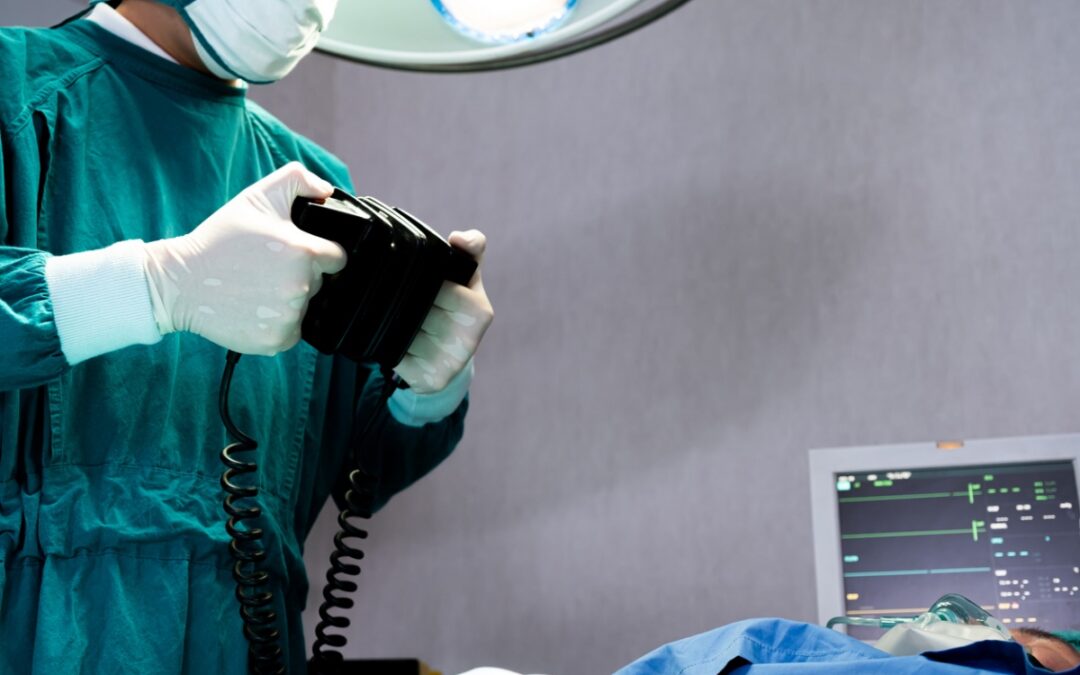
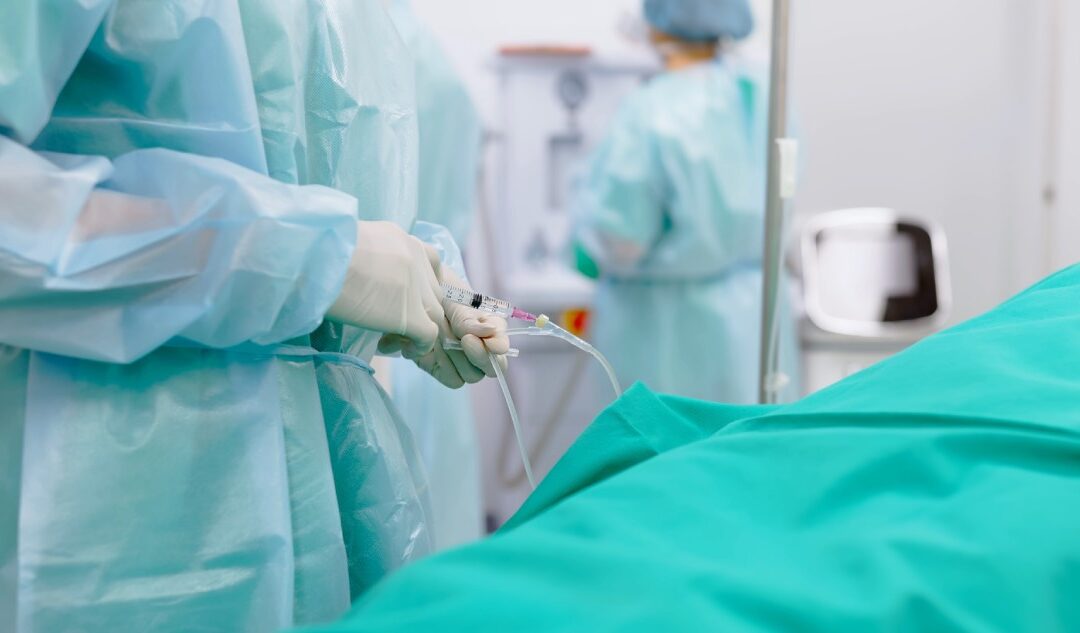
Anti-Arrhythmic Medications in the Perioperative Setting: Considerations for Anesthesia Providers
Anti-arrhythmic medications are commonly encountered in the perioperative setting because anesthesia providers frequently care for patients with atrial fibrillation, supraventricular tachycardia, ventricular arrhythmias, and other cardiovascular conditions. Surgical...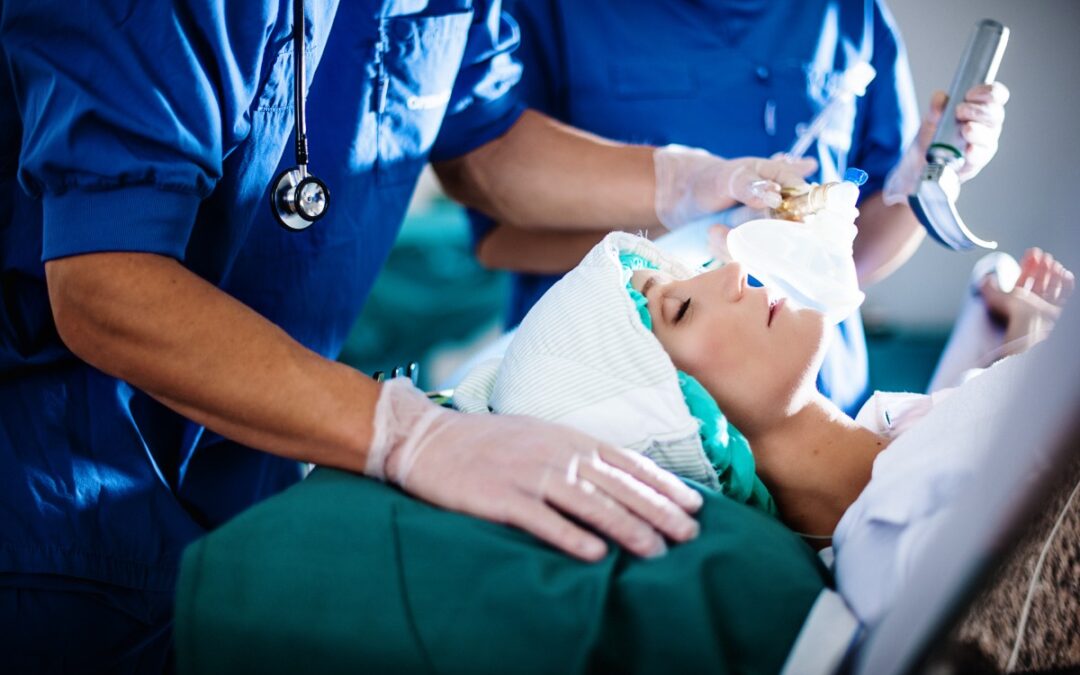
Individual Variability in Minimum Alveolar Concentration (MAC) Level Required for Anesthesia
The minimum dose needed to induce anesthesia, known as minimum alveolar concentration (MAC), of an inhaled anesthetic varies among patients, with a typical coefficient of variation around 10% in humans. This individual variability in MAC arises from genetic...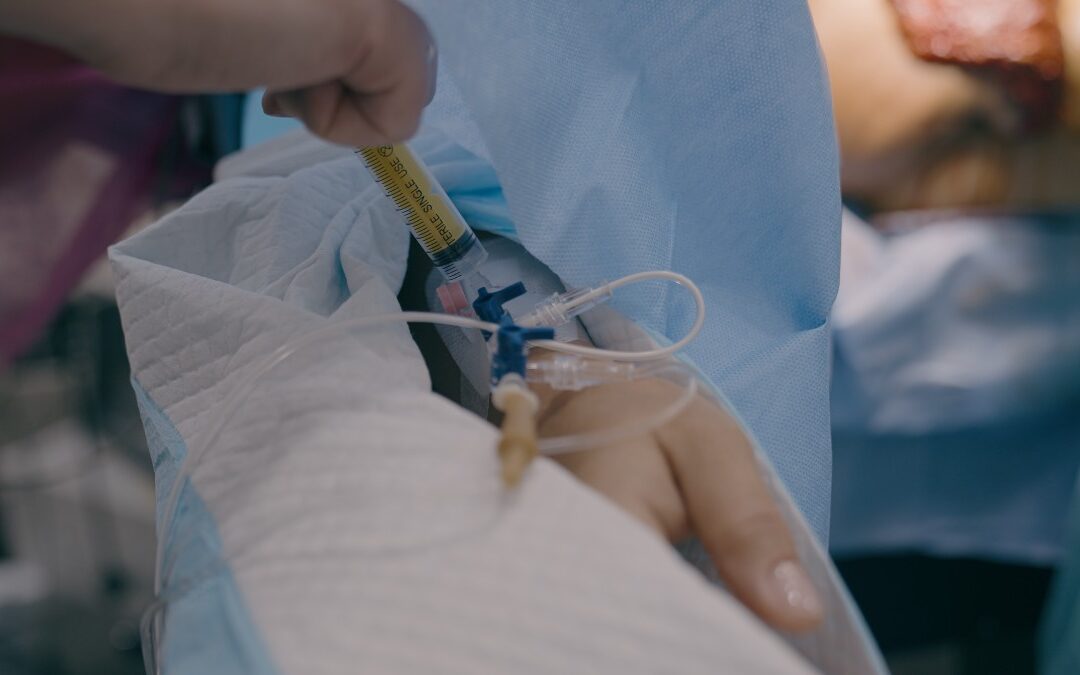
IV Magnesium as an Adjuvant in the OR
Intravenous (IV) magnesium sulfate is an increasingly utilized perioperative adjuvant in the operating room (OR), valued for its relaxant, analgesic, and neuromodulatory properties. Magnesium exerts its clinical effects primarily through noncompetitive antagonism of...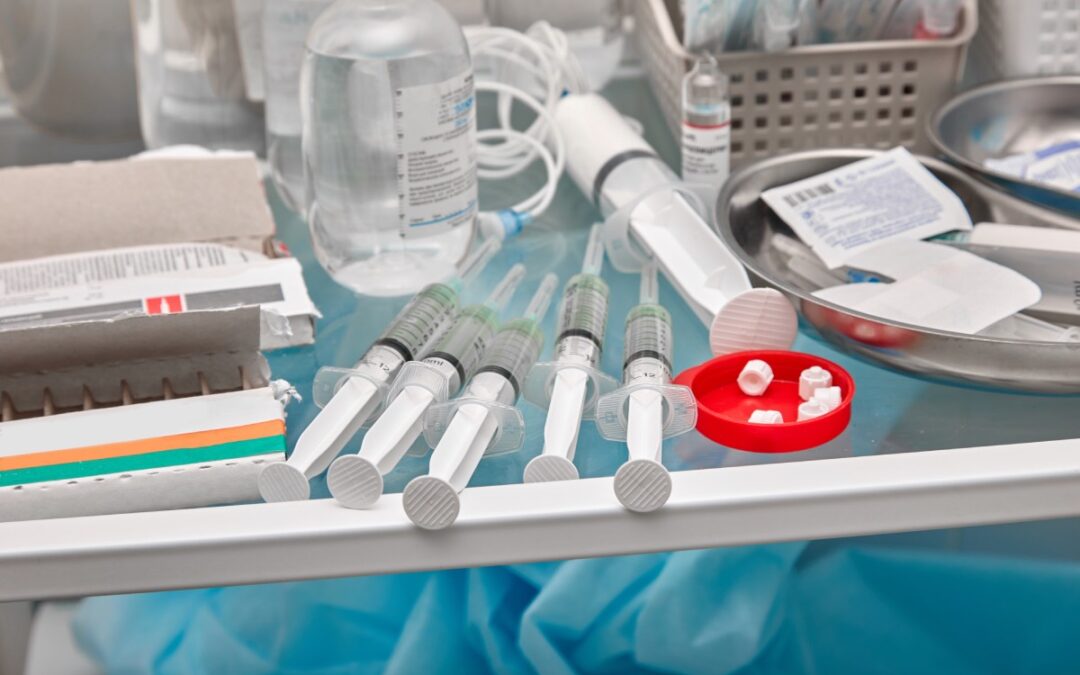
Animal-Derived Medications Used in the OR
Modern surgery relies on many medications to ensure patient safety, control bleeding, prevent infection, and support healing. Medications may be synthetic, extracted from bacteria, developed from plants, or derived from animals. Although animal-derived medications...


Recent Comments